Under-Eye Concerns: How to Treat Dark Circles, Puffiness and Fine Lines
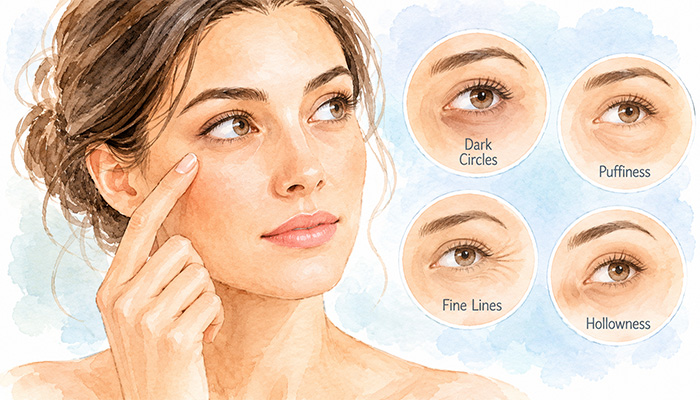
Do you look in the mirror and feel that your eyes make you look more tired than you actually are? Perhaps you have noticed dark circles, puffiness, hollowness or fine lines developing beneath your eyes.
The skin around the eyes is among the thinnest and most delicate on the body. It is often one of the first areas to show signs of ageing, dehydration and environmental damage. Even when the rest of your complexion looks healthy, changes around the eyes can make you appear tired, stressed or older than you feel.
Under-eye concerns are extremely common, but they don’t all have the same cause. Dark circles, eye bags, wrinkles and hollowing are different conditions, and understanding the difference is important when choosing the right treatment.
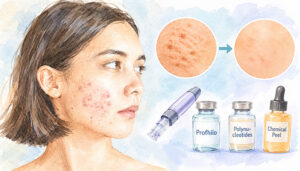
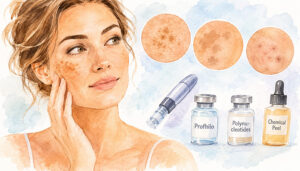
At Araya Skin Clinic, we offer a range of advanced aesthetic treatments designed to improve skin quality, hydration and the appearance of the delicate eye area. These include polynucleotide treatments, microneedling, Profhilo and professional chemical peels, where appropriate.
In this guide, we explore some of the most common under-eye concerns and the treatment options that may help.
What causes under-eye concerns?
There are several reasons why the skin beneath and around your eyes can change over time. Genetics, ageing, lifestyle and environmental factors can all play a part.
Let’s look at some of the most common concerns.
1. Dark circles under the eyes
Dark circles are among the most frequently reported under-eye concerns. They can make you look tired, even after a good night’s sleep.
There are several possible causes:
- Genetics: Some people naturally have darker pigmentation beneath their eyes.
- Thin skin: The skin beneath the eyes becomes thinner with age, making underlying blood vessels more visible.
- Pigmentation: Excess melanin can create brown or darker patches beneath the eyes.
- Sun exposure: UV radiation can stimulate melanin production and contribute to uneven pigmentation.
- Allergies: Allergic reactions and frequent rubbing of the eyes can contribute to inflammation and pigmentation.
- Ageing: Changes in skin thickness and the underlying tissues can make dark circles more noticeable.
It is important to understand that dark circles are not always caused by a lack of sleep. In many cases, they are hereditary or associated with changes in the structure and pigmentation of the skin.
2. Under-eye bags and puffiness
Puffy eyes and under-eye bags can create the appearance of tiredness or ageing.
Temporary puffiness is often caused by fluid retention, which may be influenced by:
- Poor sleep or disrupted sleeping patterns.
- Eating salty foods.
- Allergies and sinus congestion.
- Dehydration.
- Alcohol consumption.
However, persistent under-eye bags can have a different cause.
As we age, the tissues supporting the lower eyelids gradually weaken. Fat that normally cushions the eyes can move forwards, creating permanent-looking bags or bulges.
This type of under-eye concern is not simply a skincare issue and may require a different approach to treatment.
3. Hollowing and tear troughs
Have you noticed a groove or indentation running from the inner corner of your eye towards your cheek?
This is commonly known as a tear trough.
Tear troughs can become more noticeable with age as the face loses fat and structural support. They can also be hereditary and may be present in younger people.
Hollowing creates shadows beneath the eyes, which can look like dark circles even when there is no actual pigmentation.
This distinction is important because improving skin hydration or treating pigmentation will not necessarily correct structural hollowness.
4. Fine lines and wrinkles
The skin around the eyes is constantly moving as we smile, laugh, squint and blink.
Over time, repeated facial expressions, reduced collagen production and environmental exposure can contribute to fine lines and wrinkles.
Common concerns include:
- Fine lines beneath the eyes.
- Crow’s feet around the outer corners.
- Crepey or thin-looking skin.
- Loss of skin elasticity.
- Wrinkling that becomes more noticeable when applying makeup.
Hydration and collagen-supporting treatments may help improve the appearance of these changes.
5. Crepey and dehydrated under-eye skin
The skin beneath the eyes can sometimes appear thin, dry or finely wrinkled, almost like crepe paper.
This is often associated with a combination of dehydration, reduced collagen and elastin, and the natural ageing process.
Dehydrated skin can make fine lines appear more prominent, while reduced elasticity can affect the overall smoothness of the area.
Improving hydration and supporting skin quality can help create a fresher, smoother appearance.
Which treatments can help improve under-eye concerns?
The best treatment depends on what is causing the problem.
For example, someone concerned about fine lines and crepey skin may benefit from a different approach to someone whose main concern is pigmentation or structural hollowing.
At Araya Skin Clinic, several treatments may be considered as part of a personalised skin rejuvenation programme.
1. Polynucleotides: Supporting under-eye skin regeneration
Polynucleotides are an increasingly popular development in aesthetic medicine and are particularly interesting when it comes to improving the quality of delicate skin.
They are purified DNA-derived molecules used in regenerative aesthetic treatments. They are designed to support the skin’s natural repair processes and improve the overall skin environment.
Unlike conventional treatments that focus primarily on hydration or volume, polynucleotides are used to support tissue regeneration and improve skin quality.
How can polynucleotides help the under-eye area?
The delicate skin beneath the eyes can benefit from treatments designed to support hydration, elasticity and skin regeneration.
Potential benefits include:
- Improving the appearance of fine lines.
- Supporting skin hydration and suppleness.
- Improving the appearance of crepey skin.
- Supporting collagen-related skin remodelling.
- Improving overall skin texture and quality.
- Helping the under-eye area look fresher and healthier.
Araya Skin Clinic offers Plinest Eye, a polynucleotide treatment specifically designed for the delicate eye area.
A course of treatments may be recommended, depending on your skin condition and desired results.
Polynucleotides are not a guaranteed solution for every type of dark circle or under-eye bag, but they may be particularly suitable for people concerned about skin quality, fine lines and crepey texture.
2. Microneedling: Encouraging collagen production
Microneedling is a popular skin rejuvenation treatment that uses a specialist device fitted with very fine needles to create controlled microscopic channels in the skin.
These channels stimulate the body’s natural repair response, encouraging collagen and elastin production.
Over time, this can help improve skin texture, firmness and the appearance of fine lines.
Can microneedling help with under-eye concerns?
When performed using an appropriate device and specialist technique, microneedling may help improve certain superficial concerns around the eye area.
Potential benefits include:
- Improving the appearance of fine lines.
- Supporting collagen production.
- Improving skin texture.
- Helping to improve the appearance of crepey skin.
- Supporting overall skin rejuvenation.
The under-eye area is particularly delicate, so microneedling must be performed by an appropriately trained practitioner using a suitable protocol. It is not appropriate to treat the eyelids or directly beneath the eyes using standard facial microneedling techniques.
Microneedling will not correct significant eye bags or structural hollowness, but it may help improve the quality and appearance of the surrounding skin.
3. Profhilo: Improving hydration and skin quality
Profhilo is an injectable treatment containing a high concentration of hyaluronic acid, a substance naturally found in the body that helps maintain skin hydration.
Unlike traditional dermal fillers, Profhilo does not primarily aim to add volume or change facial contours. Instead, it works through a process known as bio-remodelling, helping improve skin hydration, elasticity and firmness.
Can Profhilo help with under-eye concerns?
Profhilo is not specifically an under-eye treatment and should not be considered a direct solution for dark circles, eye bags or tear trough hollows.
However, it may be useful as part of a wider facial rejuvenation programme where the surrounding skin is showing signs of dehydration, reduced elasticity or ageing.
Potential benefits include:
- Improving overall skin hydration.
- Supporting skin elasticity and firmness.
- Improving skin texture and luminosity.
- Helping the surrounding facial skin look fresher.
- Addressing general signs of skin ageing.
By improving the quality of the surrounding skin, Profhilo may complement more targeted treatments for the under-eye area.
Your practitioner can advise whether it is appropriate for your particular concerns and which treatment areas are suitable.
4. Chemical peels: Addressing pigmentation and uneven skin tone
Chemical peels use carefully selected exfoliating ingredients to remove dead skin cells and encourage skin renewal.
Depending on the formulation, they can help improve uneven skin tone, superficial pigmentation and certain signs of ageing.
At Araya Skin Clinic, we offer professional AlumierMD chemical peels designed to address a range of skin concerns.
Can chemical peels help with dark circles?
Some dark circles are caused by excess pigmentation rather than hollowing or visible blood vessels.
In carefully selected cases, a professionally formulated peel may help improve superficial pigmentation and uneven skin tone.
Potential benefits include:
- Improving the appearance of superficial pigmentation.
- Brightening dull-looking skin.
- Improving uneven skin tone.
- Supporting skin renewal.
- Improving the appearance of fine lines and superficial skin texture.
However, the skin around the eyes is particularly sensitive. Not every chemical peel is suitable for this area, and standard facial peels should not automatically be applied beneath the eyes.
A practitioner must select an appropriate formulation and treatment area following an assessment. This is especially important for darker skin tones, where irritation can trigger further pigmentation.
Which treatment is right for your under-eye concerns?
Choosing the right treatment depends on whether your main concern is pigmentation, fine lines, dehydration, skin laxity or structural changes.
Here is a simple guide:
| Under-eye concern | Treatment considerations |
|---|---|
| Dark pigmentation | Suitable skincare and carefully selected professional peels |
| Fine lines | Polynucleotides and appropriate microneedling |
| Crepey skin | Polynucleotides and collagen-supporting treatments |
| Dehydrated skin | Hydrating skincare and wider skin booster treatments |
| Loss of elasticity | Polynucleotides and suitable skin rejuvenation treatments |
| Hollowing and tear troughs | Specialist assessment for structural treatment options |
| Persistent eye bags | Medical or surgical assessment may be more appropriate |
It is important to remember that no single treatment can address every under-eye concern.
For example, polynucleotides may help improve the quality of thin, crepey skin, but they will not remove excess fat responsible for prominent eye bags.
Similarly, a chemical peel may help improve superficial pigmentation but will not correct hollowing beneath the eyes.
A personalised consultation helps establish realistic expectations and identify the most appropriate approach.
What can you do at home to improve the appearance of your eyes?
Professional treatments can help, but a consistent skincare routine and a few lifestyle changes can also make a difference.
Get sufficient sleep
Poor sleep can make existing dark circles and puffiness more noticeable. Try to maintain a regular sleeping routine and aim for sufficient rest.
Stay hydrated
Dehydration can make the skin look dull and emphasise fine lines. Drinking enough water and using a suitable moisturiser can help maintain skin hydration.
Use sun protection
The delicate skin around the eyes is vulnerable to UV damage. Use a suitable broad-spectrum SPF 30 or higher and wear sunglasses to help protect the area.
Avoid rubbing your eyes
Frequent rubbing can irritate the delicate skin and contribute to inflammation and pigmentation.
If allergies are causing itchy or irritated eyes, addressing the underlying problem may help.
Choose suitable eye skincare
Look for products specifically formulated for the eye area. Ingredients such as hyaluronic acid, peptides, niacinamide and caffeine may help address particular concerns, including dehydration, fine lines and temporary puffiness.
Introduce new products carefully, particularly if you have sensitive skin.
Are under-eye treatments suitable for everyone?
Not necessarily.
The skin around the eyes is delicate, and treatments must be selected carefully. Certain conditions, medications, allergies and previous aesthetic procedures may influence which treatments are appropriate.
It is also important to recognise when an under-eye concern might need medical attention rather than cosmetic treatment.
Sudden or unexplained swelling, particularly if it affects only one eye, or swelling accompanied by pain, redness or changes in vision, should be medically assessed.
A professional consultation is the best starting point for understanding the cause of your concerns and deciding whether an aesthetic treatment is appropriate.
Restore a fresher, brighter appearance with Araya Skin Clinic
Your eyes play an important role in how your face looks and how you feel about your appearance. Dark circles, fine lines, puffiness and crepey skin can all contribute to a tired-looking complexion, even when you feel perfectly well.
The good news is that there are several ways to improve the appearance of the delicate under-eye area.
At Araya Skin Clinic, we offer advanced aesthetic treatments, including Plinest Eye polynucleotides, microneedling, Profhilo and AlumierMD chemical peels.
Whether you are concerned about fine lines, dehydration, skin quality or uneven pigmentation, we can help you explore suitable treatment options.
Ready to give your eyes a fresher, more rejuvenated appearance?
Book a consultation with Araya Skin Clinic to discuss your concerns and discover a personalised approach to under-eye rejuvenation.
Your journey towards healthier-looking skin starts here.